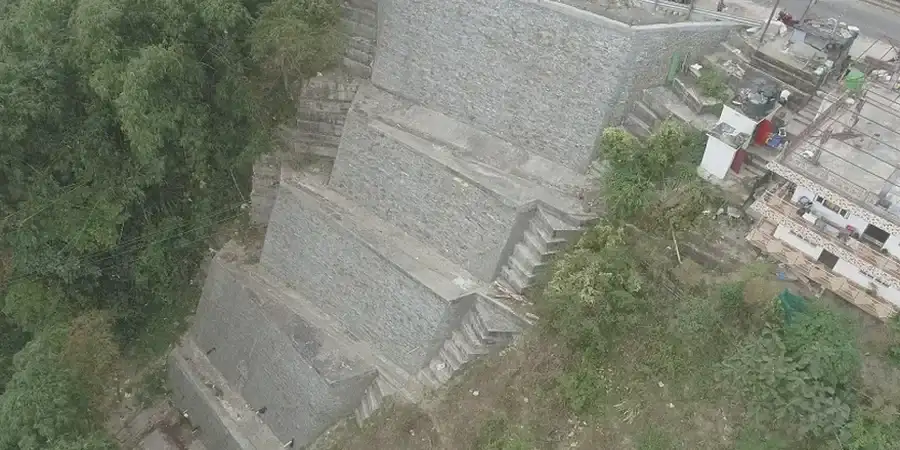
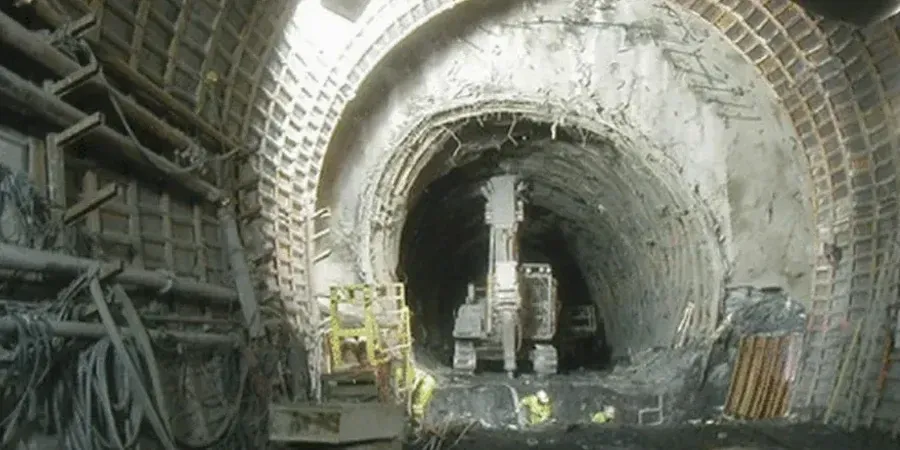
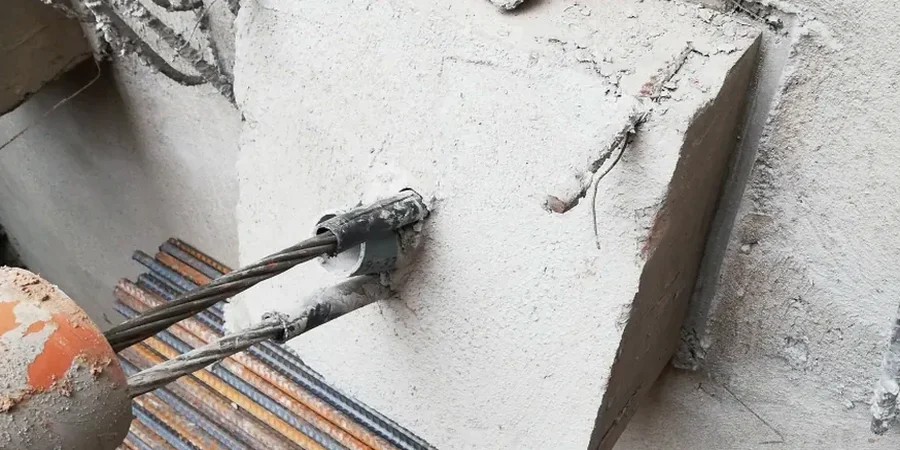
Ashford sits on a varied geology dominated by the Wealden Clay formation, with bands of sandstone and limestone creating unpredictable ground conditions. For any project involving retained cuts deeper than 3 metres near the Stour river corridor, understanding the difference between passive resistance and active tension is critical. Our laboratory has run pull-out tests on anchors installed in stiff grey clay at depths of 12 metres, where groundwater perched within the Hythe Beds can reduce bond stress by up to 40% if not properly grouted. The anchor design process here requires more than a textbook approach. When permanent anchors are needed for a basement excavation adjacent to the Ashford Designer Outlet, the load distribution must account for the softened clay zones that develop during winter construction. We cross-reference site-specific ground investigation data with laboratory shear strength parameters to produce designs that hold. For sites where the bedrock profile is uncertain, combining anchor design with a deep excavation monitoring plan is standard practice to verify actual load transfer against design assumptions.
Anchor bond stress in Ashford's Wealden Clay is not a catalogue value; it is a site-specific parameter that must be proven by on-site suitability testing before production drilling begins.