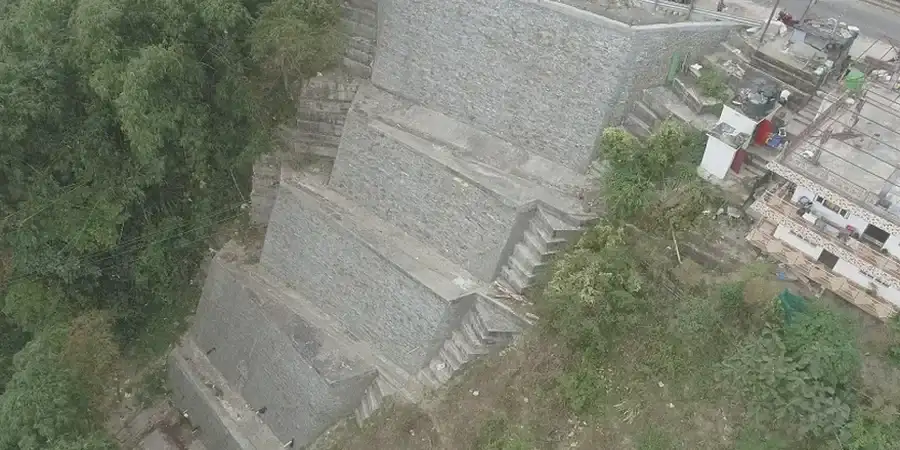
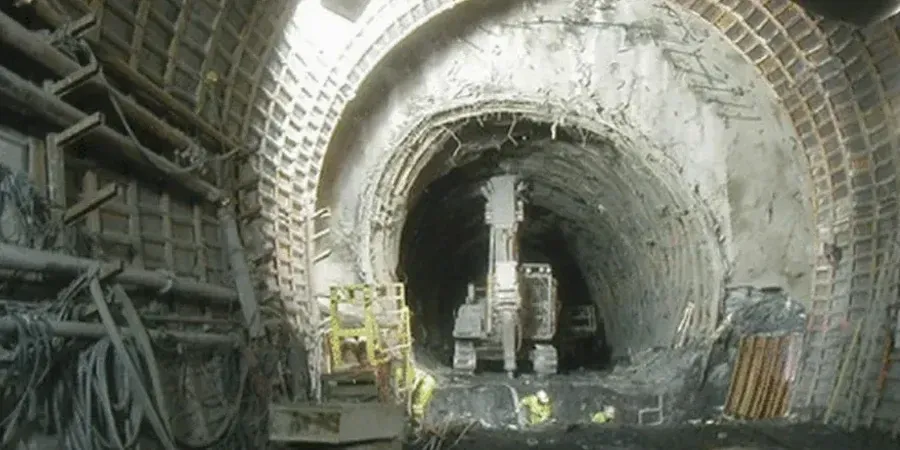
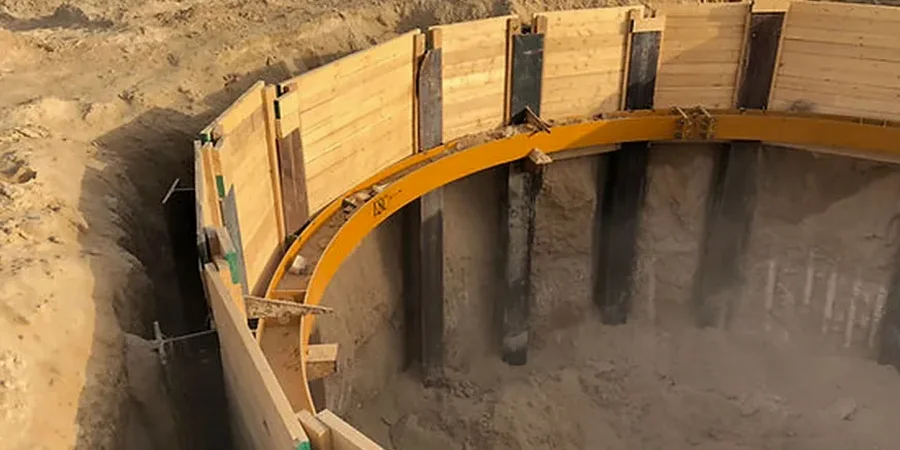
Ashford's transformation from a medieval market town to a high-speed rail hub has placed unique demands on its subsurface infrastructure. The railway works of the 1840s first exposed the complex transition between the permeable Lower Greensand to the north and the stiff Weald Clay dominating the town centre. Modern developments near Ashford International and the Eureka Leisure Park routinely encounter this geological boundary. A pile foundation design must reconcile these contrasting strata, as bearing capacity varies dramatically across short distances. The historic gravel workings along the Great Stour floodplain add another layer of complexity: reworked ground and variable alluvium demand rigorous site investigation before any deep foundation scheme is finalised. For projects on the clay slopes south of the M20, integrating slope stability analysis early in the design phase helps identify potential lateral ground movement that could affect pile performance.
Beneath Ashford, a pile tip positioned 600 mm above the Lower Greensand water table can double the calculated end-bearing capacity compared to a saturated installation.