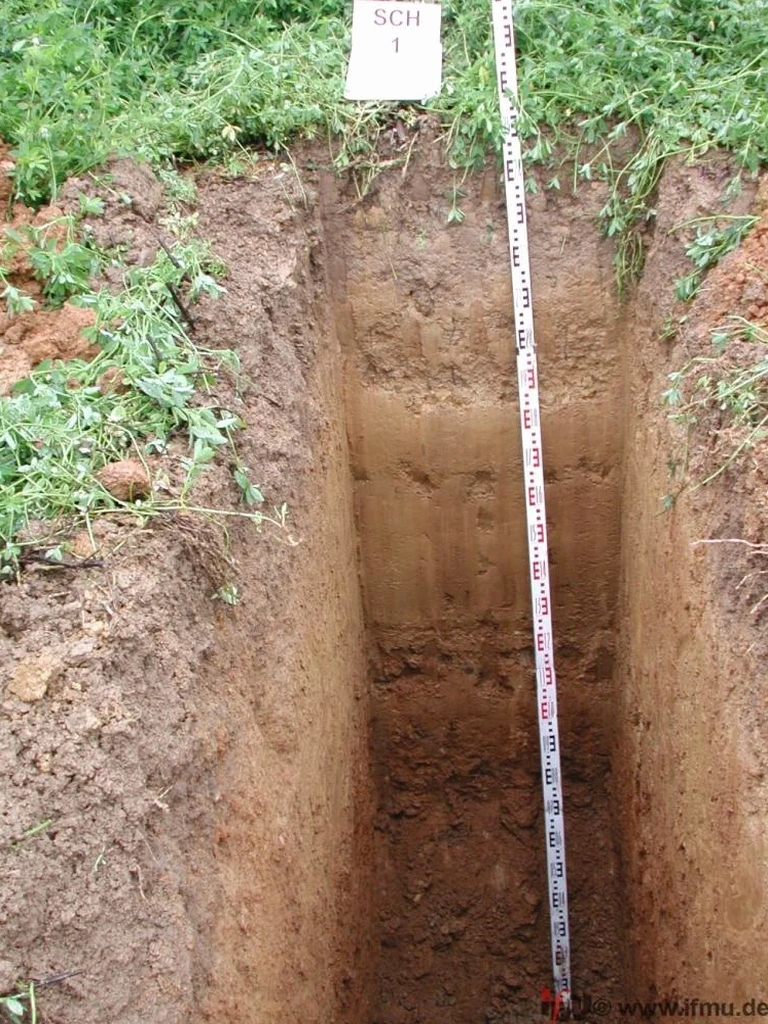
Too many groundworkers in Ashford start a dig and hit a soft clay lens or a chalk seam that wasn't on the geological map. That five-minute surprise turns into a two-day delay, a phone call to the structural engineer, and a budget headache. We run exploratory test pits before the machine bucket even touches the ground. Our crew opens a trench, the engineer logs the profile, photographs the strata, and takes bulk and undisturbed samples straight from the face. You get a clear answer on bearing strata, groundwater depth, and any fill that shouldn't be there—all on the same day. The process follows BS 5930 and Eurocode 7 guidelines, and the report includes field descriptions, in-situ density checks, and lab scheduling if needed. When the soil profile is complex or the site sits near the Stour river terrace, combining the pit with an in-situ permeability test can clarify drainage assumptions before foundation design is locked in.
A 3-metre trench tells you more about Ashford's chalk and clay in 45 minutes than five boreholes can in two days—because you see the strata, not just the spoil.